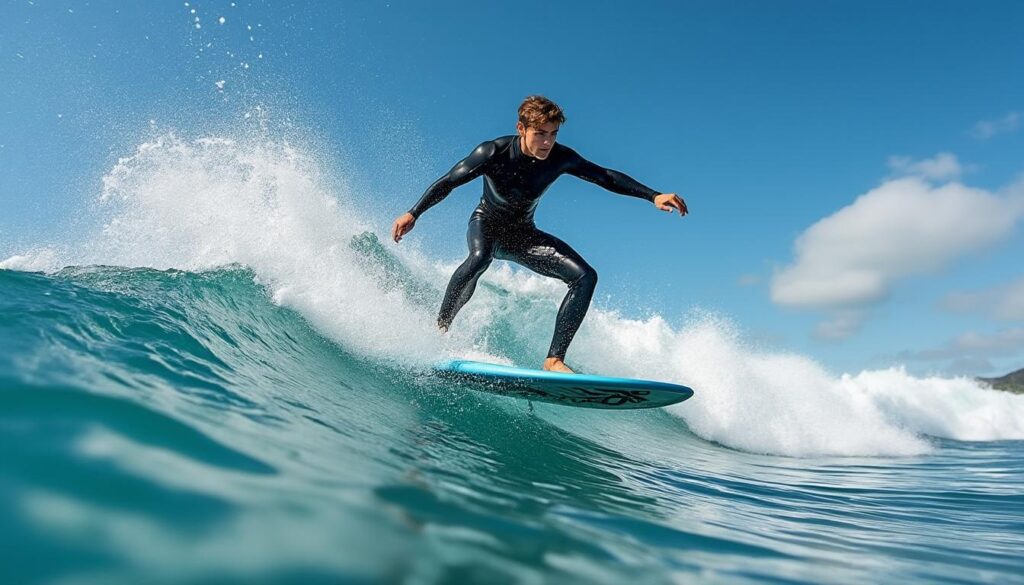
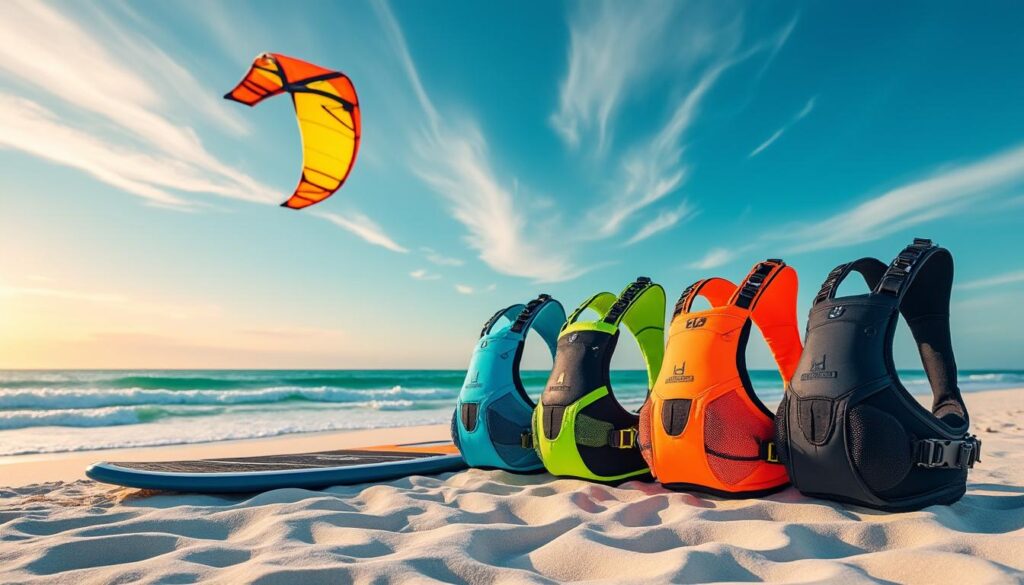
The wind pushes, the water whispers under the board and the feeling really takes off when the kiteboard twintip responds exactly to what you want to do: tight upwind, explosive pop, soft landings. This guide to twintip kitesurf boards 2026 is designed for those who want to spend less time scrolling catalogs and more time on the water, whether on kitesurf Adriatico or on kitesurf Ionio. The goal is simple: to help you choose the right board for your level, your weight, your spot and the type of session you dream of riding, whether it’s relaxed freeride or big air in a full Maestrale.
Between schools, online stores and friends’ advice, the risk is ending up with a twintip that won’t plane with the light morning wind or that beats up your knees and ankles in the afternoon chop. Here we get concrete: shape, rocker, flex, fins, channels and stance not as catalog buzzwords, but as real tools to improve your kitesurf for beginners or give an extra gear to your advanced sessions. The guiding thread is the reality of the spot kitesurf Puglia, with gusts, short waves and flat water hidden behind natural reefs, but the tips apply to all kitesurf Italia.
In short
- Choose the twintip based on weight, level and average wind of your spot, not just on design.
- For kitesurf for beginners: bigger board, softer flex, centered stance, longer fins for stability.
- For freeride and big air: moderate rocker, medium-stiff flex, rails that bite to hold more power on the bar.
- At the best kitesurf spots in Italy with chop and gusts, absorption is needed: pay attention to rocker and flex.
- Always evaluate the full package: kite, board, setup and real wind conditions, especially with the Salento wind.
Kiteboard Twintip 2026: how to choose the right board for your kitesurf
A twintip looks simple: rectangular, two tips, four fins and off you go. In reality, choosing the kitesurf board is one of the factors that most influences how fast you progress, how tired you get and how much fun you have in a session. Imagine Marco, 80 kg, desperate to learn, who shows up at a kitesurf school on kitesurf Lecce and impulsively buys a rigid 135 meant for big air because “this way he’ll jump super high”. Result? It won’t plane with 15 knots, sinks at water start, he gets frustrated and thinks kitesurfing isn’t for him. The problem isn’t the rider, but the wrong board in the wrong context.
In 2026 brands have refined their lines: many twintips have become more versatile, with profiles designed to cover freeride, first tricks and some serious jumps. That’s an advantage, but only if you know how to read the key features. Start with size: for someone about to learn kitesurf, a size around 138–142 x 41–43 cm (for a weight of roughly 70–80 kg) offers flotation, stability and easier takeoffs. Going down in size gives more maneuverability, but requires more technique and more wind.
Right after that comes the shape of the rail and tips. A squarer tip increases the contact area and encourages early planing, very useful at spot kitesurf Puglia when the wind pumps in fits and starts. Rounder tips make landings softer and the board more docile in direction changes, ideal for relaxed freeride. Along the coasts between kitesurf Taranto and Gallipoli, where the Ionio often delivers flatter water, a slightly squarish tip with moderate channels under the hull can give you the perfect combination of control and glide.
Another point not to underestimate is the program the board is marketed for: freeride, freestyle, big air, light wind, wakestyle. For example, a “wakestyle” board will be heavier, flatter, with pronounced channels for hooking onto kickers and sliders: not what someone following a kitesurf course or aiming for light kitesurf vacations needs, maybe alternating Adriatico and Ionio in the same week. In that case, a freeride/freestyle with medium flex is better, able to forgive imperfect edging and support jumps and rotations as you progress.
The type of wind you most often find also enters the choice. If you kitesurf in kitesurf Salento year-round, you know the same day can go from 14 to 25 knots with some nasty gusts. A too extreme, nervous and rigid twintip will physically cook you. One with moderate rocker and good chop absorption lets you keep the bar in your hands longer, with your legs working but not destroyed. The goal is always the same: turn the wind into riding pleasure, not a constant fight.
The real key to choosing? Visualize your typical session and slot the board into that mental movie: average wind, type of spot, tricks you want to learn. A board made for that movie becomes your natural ally, not an obstacle to manage at every gust.
Shape, rocker and flex: the heart of the twintip board
If you’re wondering why two boards with the same size behave completely differently on the same spot, the answer is almost always a combination of shape, rocker and flex. Rocker is the board’s longitudinal curvature: the more pronounced it is, the more the board “surfs” the waves and lands softly, but it needs more wind to plane. A twintip with moderate rocker is perfect for many kitesurf Italia spots, where real wind is often lower than what weather apps promise.
Flex is how much the board bends under load. A soft flex is a beginner’s friend and comfort-oriented: it absorbs chop, forgives poor landings, reduces vibrations. A stiff flex transmits more energy, launches you off the edges and gives violent pop for more aggressive jumps. In the often choppy and nervous waters of the kitesurf Adriatico, a medium flex is a good compromise to avoid exhausting yourself too much when the wind picks up in the afternoon.
The hull shape, with channels, concavities and reinforcements, affects edge hold and the board’s tracking. Pronounced channels help bite the water and hold line with more power in the kite, but make the board feel more “on rails.” In conditions like those of kitesurf Ionio with relatively flat water and steady wind, this precision is a delight, especially when aiming for big air. In chaotic chop, however, an overly incised hull can tire you and transmit too many jolts to your legs.
To understand this in practice, just look at what instructors use when they’re not working. Many, after finishing shifts with groups of kitesurf for beginners, switch to freeride/freestyle boards with medium rocker, medium-stiff flex and balanced shapes — perfect to exploit the same conditions with a different approach. It’s a strong hint about what really works in real life, beyond trends.
In short: shape, rocker and flex are the triangle that defines your twintip’s character. Knowing them lets you choose with your head and not just with your eyes.
Size, rider weight and wind: matching the twintip to your real spot
The second big variable in choosing a tavola kitesurf twintip is the match between your weight, your spot’s average wind and the board size. A classic mistake in kitesurf Salento is choosing the board thinking only of epic Maestrale or Tramontana days, ignoring lighter thermal afternoons on the Ionio or borderline dawn sessions on the Adriatico.
Take a typical rider, Luca, 75 kg, who wants to take a kitesurf course and then get out on his own. If he copies the size used by the pro of his favorite brand, he easily ends up with a 135 x 40 freestyle/big air. On a kitesurf Lecce spot with 13–16 knots real wind and messy chop, he’ll struggle to plane, have to pump the kite like crazy and think he needs a bigger kite. In reality, a 139 x 42 freeride with more wetted surface would make him plane earlier, with less effort and less frustration.
Here comes the key relationship between weight and size. All else being equal, a heavier rider must move up in size to maintain the same ease of takeoff and the same support. At the best kitesurf spots in Italy, where you can alternate windy spots and softer spots in the same kitesurf vacations week, a good strategy is to have a “main” twintip sized for your weight, and maybe an extra board that’s bigger or smaller to share with friends to cover extreme ranges.
To make clearer how weight, size and use tie together, look at this indicative table (orientative data, valid for freeride/allround):
| Rider weight | Recommended twintip size | Main use | Notes on average wind |
|---|---|---|---|
| 55–65 kg | 133–137 x 39–41 | Freeride / first maneuvers | Good for 15–25 knots at classic spot kitesurf Puglia |
| 66–78 kg | 138–142 x 40–42 | Allround / initial big air | Better covers thermals between 13–22 knots |
| 79–90 kg | 141–145 x 41–43 | Freeride / comfort | Very helpful on borderline days |
| 90+ kg | 145–150 x 43–45 | Light wind / kitesurf for beginners | Essential at spots with irregular wind |
The table is not absolute truth, but a starting point. For example, a very fit 70 kg rider may prefer a slightly smaller twintip for more maneuverability in the kitesurf Adriatico with 25 knots. But if your goal is to feel safe and have fun even with 14–16 knots on kitesurf Ionio, staying in the mid range will help you do more upwind runs, faster.
Another often ignored aspect is matching the board with the kite. People who choose kites that are too small for fashion (“everyone uses 9 m, so I’ll use 9 m too”) and boards that are too small for social-style photos risk wasted sessions. Wind energy must be distributed intelligently: more board and more kite on light days, smaller setup when the wind really pushes. In this sense, many schools and centers like those reviewed by these guides on Salento Kiter now insist on the importance of reading the wind-board-kite ranges in an integrated way.
The final insight is clear: size is not a detail, it’s the key to turning every knot of wind into meters of real glide, especially when the Salento wind plays hide-and-seek.
Fins, stance and pads: small details, big difference
After size and shape, the “details” of a twintip kitesurf make the difference between a session in full control and a series of unexpected slides. Fins, for example, define how much tracking you have and how well the board holds an edge in the water. Longer fins (4–5 cm) increase directional stability and forgive edging errors: great for those still consolidating water starts and first upwinds during a kitesurf course. Shorter fins make the board freer, quicker in direction changes, but require a more precise footwork.
Stance, i.e. the distance between pad/strap mounts, influences the feeling of control. A slightly wider stance gives stability, especially for tall riders or for those doing freestyle with aggressive landings. A narrower stance makes torso rotation and leg management easier, useful for those making their first upwind runs in kitesurf for beginners. Many modern boards offer multiple hole rows: it’s worth experimenting with settings and not sticking to the factory setup.
In the end, fins, stance and pads are not minor accessories, but the direct interface between you, the wind and the water. Tuning them is the simplest way to unlock comfort and control without changing board.
Twintip freeride, freestyle, big air and light wind: which board for your style
Once you understand the technical basis, the next question comes naturally: what kind of twintip fits your way of being on the water? The main programs are four: freeride, freestyle, big air and light wind. Each category has a precise personality, and choosing it well makes sessions consistent with what you really want to do when you put the board in the water.
Freeride boards are the ideal starting point for most riders. Relatively soft shape, medium flex, moderate rocker, not-too-aggressive rails. They are meant for those who love long runs, clean transitions, and some safe jumps. In the context of kitesurf vacations in Puglia, where many alternate intense days with more relaxed ones between kitesurf Ionio and kitesurf Adriatico, a good freeride is the perfect ally. It forgives mistakes, planes early, and handles both chop and the flatter water behind breaking waves.
Freestyle twintips aim for electricity and pop. Stiffer flex, pronounced channels, and often slightly more accentuated rocker in the tips. These boards love a maximized edge and return explosive energy for raleys, s-bends, backrolls and kiteloops. At windy spot kitesurf Puglia locations, like some bays between Otranto and Leuca, these boards shine when the wind is clean. But in the hands of someone still learning kitesurf, they can feel nervous and unforgiving.
Big air boards are a category of their own, and in 2026 they’re enjoying a renaissance thanks to new materials and more refined profiles. Sharp rails, controlled flex, lots of grip to hold a lot of power in the kite when you launch into strong gusts. On tense Maestrale days along the coasts of kitesurf Salento, these boards turn chop into a trampoline and allow you to retain control when you pop high and land at speed. They’re not the best choice for a first board, but they’re an achievable target for someone who has consolidated a good intermediate level.
Finally, light wind boards. Bigger, often flatter, with generous wetted surface. Their mission is clear: get you out when others stay ashore. On seas like the Ionio in summer, when the thermal comes but doesn’t really break, a light-wind twintip paired with a slightly larger kite gives long, relaxed runs. For someone who has just left a kitesurf school and isn’t yet comfortable with foil or surfboard, it’s a very smart choice to multiply days on the water.
To better orient yourself among these programs, beyond the technical sheets of boards, it’s useful to understand what kite you’ll pair. If you’re choosing your quiver, resources like this guide on kites and choosing the right wing from Salento Kiter help build a harmonious setup between kite and board. Board and kite are not two separate worlds: they must work together to turn each gust into a clear, controllable sensation.
The take-home idea is simple: the board’s “program” must mirror your mental session program. Want calm runs after work? Freeride. Want to learn to jump higher and higher? Big air allround. Want to play with handle passes and rotations? More marked freestyle. Want simply to be on the water more often? Light wind. Choosing with this logic makes every outing a confirmation, not a compromise.
When to consider switching to foil or surfboard
A question many ask after a couple of years on twintip is: what now? Stick to one board or expand to foil and surfboard? The answer depends on your main spot and what excites you most in a session. In kitesurf Italia contexts with often light winds, foil becomes almost inevitable if you want to maximize days on the water. It doesn’t replace the twintip, it complements it.
If you like playing with waves and swell, especially in the Adriatico when long storms arrive, the surfboard gives you a different feeling: more fluid, more “surf-like”, with wider lines and less focus on jumps and more on wave reading. To better understand if this transition suits you, the analyses and detailed advice on foil boards and twintip alternatives available in specialized guides such as those from Salento Kiter are a good starting point.
The twintip remains the base. It’s the board that teaches you control, edge and power management. And even when you discover foil and surfboard, it’s the one you return to when you want a “simple” and direct session: wind, board, bar, sea and you.
Twintip for kitesurf for beginners: mistakes to avoid and recommended setup
Someone entering the world of kitesurf for beginners deserves boards that help, not complicate. The first mistake to avoid is choosing a twintip that’s too small “because it seems more manageable.” In reality, an undersized board makes the water start harder, forgives less positional errors and requires more wind. In kitesurf Salento courses, instructors see it every week: those insisting on small boards do half the runs compared to those accepting a generous size at the start.
Second mistake: getting stuck on highly specialized boards seen online. A rigid wakestyle board, with deep channels and flat rocker, in a beginner’s hands often feels like a nervous rock that doesn’t want to help. For the initial phase, the priority is a freeride/allround twintip with these characteristics: enough surface for your weight, medium-soft flex, moderate rocker, adjustable stance and medium to long fins. This combination works very well in the waters between kitesurf Lecce and kitesurf Taranto, where the wind can change face in a few hours.
Third mistake: ignoring pad and strap comfort. When learning, you spend a lot of time repeating water starts, short runs, and falls. If the pads are hard with little grip, or the straps hold your foot poorly, you’ll feel discomfort, cramps and insecurity in the first runs. A twintip well designed for learning offers grippy pads, soft but not too soft, and straps easily adjustable even with wet hands and some adrenaline flowing.
To help you understand what to look for in practice, here’s a quick checklist when evaluating a twintip for beginners:
- Proper size: don’t be afraid to go up 1–2 cm compared to what more experienced riders use.
- Visible flex: try pressing the center with your hands, the board should flex a little.
- Rails not too aggressive: a slightly rounded rail is better to avoid sudden catches.
- Comfortable pads and straps: try slipping your foot in, check that the heel doesn’t move too much.
- Medium-long fins: more directional stability and fewer unexpected slides.
In the context of kitesurf vacations, many beginners arrive in Salento with little time and a strong desire to be on the water. Renting equipment from the local kitesurf school is often the smartest choice: boards are suited to the spot, the season and your real level. Once you’ve spent a few days on different boards, the picture of what you really need becomes clearer, and you can choose your twintip with much more awareness.
The golden rule is clear: in the first months, a board that helps you start and go upwind is always better than a “cool” board that promises tricks you won’t use yet. The more runs you do, the more your body learns, and the faster the moment will come when you really feel the need for something more technical.
From beginner to intermediate: when to change board
There comes a moment when the beginner twintip starts to feel a bit slow, a bit heavy. You notice you start easily, hold the upwind run even with little wind, and begin to make your first transitions confidently. It’s a sign you’re entering the intermediate range and can think about a more responsive board. But “changing” doesn’t necessarily mean abandoning the first board: you can turn it into a light-wind board for marginal days and pair it with a more nervous twintip for sessions with better wind.
A good strategy is to switch to a board 1–2 cm smaller, with slightly stiffer flex and sharper rails. This step, if taken in a context like kitesurf Italia where there are plenty of spots suitable for both beginners and intermediates, allows you to continue progressing without feeling “at the mercy” of a too-technical board. Better one deliberate step at a time than one big leap that makes you lose confidence.
Twintip and spots: how to adapt the board to kitesurf Salento, Adriatico and Ionio
Each spot has a precise character, and the same twintip behaves differently depending on waves, chop, current and wind type. In kitesurf Salento this difference is particularly evident: a few dozen kilometers separate the Adriatico from the Ionio, but the feeling on the water changes completely. Knowing how to adapt board and setup to these changes is the secret to really exploiting the territory.
On kitesurf Adriatico the wind often arrives cooler and choppier, with short, close waves. Here a twintip with slightly more pronounced rocker and not-too-stiff flex helps cut through chop without slamming. Riders who know these spots well tend to choose freeride/freestyle boards with slightly concave hulls and moderate channels, so they have grip when needed but also some softness in landings. For those coming from a kitesurf course and wanting to step up, this type of board makes the transition much more pleasant.
On kitesurf Ionio, instead, especially in some sheltered bays, the water can become almost flat with a regular thermal. Here a stiffer, more aggressive twintip performs best: more pop, more edge, more control at higher speeds. It’s the realm of big air, rotations and long downwind runs. In these spots, many riders choose boards with sharper rails and pronounced channels, because the lower turbulence of the water allows you to exploit all the kite’s power without losing stability.
Between kitesurf Lecce and kitesurf Taranto, microdifferences in the seabed (sand, rock, posidonia) also influence fin choice. In sandy, shallow areas, overly long fins risk touching the bottom during falls or first runs: something medium is better to preserve equipment and move with more serenity.
If you’re planning a week of kitesurf vacations in Puglia, a good compromise is a freeride/freestyle twintip capable of adapting a bit to everything. If your level rises and you want to specialize, you can consider a second board: one more oriented to big air for strong days and maybe a larger or light-wind board for summer thermals. The important thing is to remember the spot should guide the choice, not the other way around.
After all, the beauty of kitesurfing in Salento is precisely this: each coast change is a change of game. Having a twintip chosen with care lets you exploit this variety instead of suffering it.
Practical checklist before choosing or changing a twintip
To close the loop, a practical checklist helps make clear-headed choices and not just emotional ones. Before buying or changing a twintip, ask yourself:
- Where will you ride the most? Adriatico windy, Ionio thermal, lake, open sea? Your main spot is worth more than a thousand photos.
- How many knots do you usually find? Read real data, not just the optimistic forecasts of apps.
- What is your real level? Beginner, intermediate, advanced? Answering honestly speeds up progression.
- What puts a smile on your face in the water? Long runs, jumps, waves, peace, challenge? The board must serve that taste.
- Can you test it? Trying different boards with a local school or center is worth more than a hundred reviews.
With these questions clear in your head, every new board becomes a conscious choice and not just a catalog crush. And when you put the twintip on the water and realize it does exactly what you expect, the wind stops being an unknown and becomes only the engine of your session.
Which twintip size is best to learn kitesurf if I weigh about 75 kg?
For a rider of about 75 kg who is starting or is at the first independent outings, a size around 138–142 x 40–42 cm, with medium-soft flex and freeride shape, is the most balanced option. It offers easier takeoffs, good stability and allows you to go out even with not-too-strong wind, especially at spots like those of Salento where intensity can vary throughout the day.
Is a freestyle or freeride twintip better for my first purchase?
For the first purchase it is almost always more sensible to choose a freeride/allround twintip. This type of board helps you consolidate water start, upwind and first transitions without requiring too much technical precision. Once you feel solid and start seeking more demanding jumps, you can move to a model more oriented to freestyle or big air, keeping the freeride as a versatile board for varied conditions.
Can I use the same twintip both in Adriatico and Ionio?
Yes, many riders use a single twintip for both seas, especially by choosing a freeride/freestyle model with moderate rocker and medium flex. On the Adriatico you’ll have enough absorption to manage chop and short waves, while on the Ionio you can exploit glide and grip for faster runs and higher jumps. If you then start to specialize, you can add a second, more technical board for the conditions you love most.
When does it make sense to switch from a beginner twintip to a more advanced board?
It makes sense when you start up without difficulty in medium wind, hold the upwind reliably and can control speed even with a few more knots. If the board feels slow, heavy and unresponsive, and you feel it limits more than helps, it’s time to consider a model with slightly stiffer flex, slightly more compact sizes and sharper rails. Ideally, make the transition with the help of an instructor or a center that lets you test several options.
Can a light wind twintip replace foil on low wind days?
A light wind twintip allows you to get out with a few knots less than a standard board, but it cannot compete with the wind range manageable by a foil. If your spot often has light and steady wind, the twintip + foil combination is the most complete. If the wind is variable and you are still building basics, starting with a good light wind board is nevertheless an excellent way to multiply sessions without facing the foil’s learning curve right away.