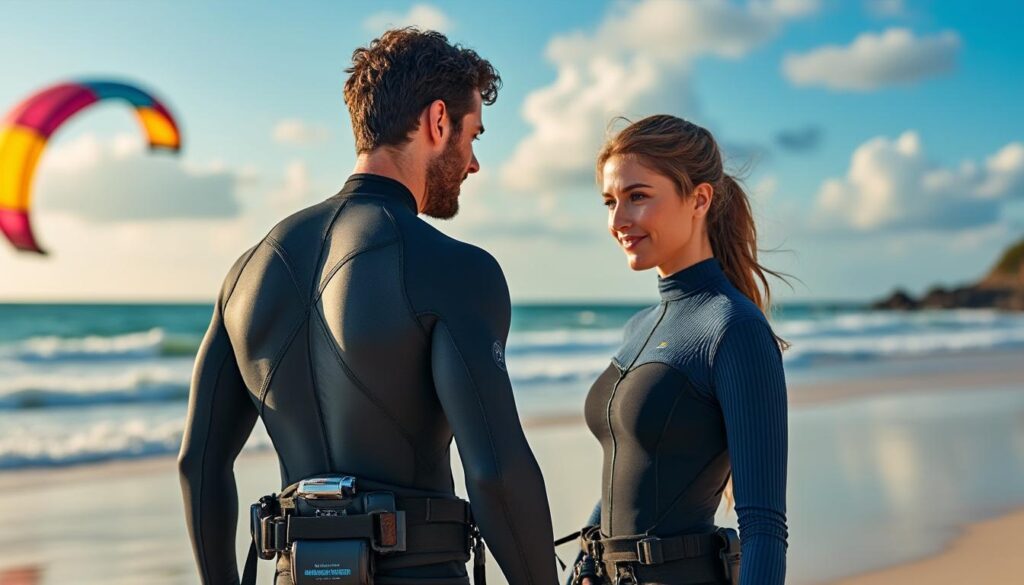
Kitesurf Lago di Garda means steady wind, sheer mountains dropping into the water and a community of riders who get up at dawn to chase the Pelèr. Those looking for the best kitesurf spot in Italy often look to the sea, but the country’s largest lake is a thermal wind machine that runs with almost stubborn regularity. Between Torbole, Campione, Malcesine, Brenzone and the other spots spread across Veneto, Lombardy and Trentino, you can plan real kitesurf holidays with morning and afternoon sessions, alternating technical progression and pure fun.
Lake Garda is perfect both for beginner kitesurfing and for advanced riders seeking strong gusts, cooler water compared to the sea and convenient logistics. Local schools have developed a very effective model: boat launches, wind lifts, structured lessons and safety always at the center. Here learning kitesurfing is not a slogan but a weekend routine that draws riders from all over Central Europe. Those arriving from Southern Italy or kitesurf Salento find a different but complementary environment: no open sea, but wide spaces, precise thermals and a mature kite culture.
- Main winds: Pelèr in the morning, Ora in the afternoon, both thermal and reliable.
- Key spots: Campione, Malcesine, Navene, Brenzone, Torbole, plus some advanced-only spots on the lower lake.
- Best period: from February/March to October, with peak consistency between May and September.
- Who it’s suitable for: beginners supervised by a kitesurf school, intermediates aiming to progress, experts looking for strong wind and lake waves.
- Services: certified schools, boat lifts, rentals, weekend courses and “all inclusive” packages in some kite-friendly hotels.
Kitesurf Lago di Garda: how the wind really works between Pelèr and Ora
Before choosing a Lago di Garda kitesurf spot, you need to understand the engine of it all: the thermal wind. This is not about a random breeze, but a system that is almost daily and dictates every rider’s day. The Pelèr blows from north to south, often from the very early hours, and can exceed 20 knots. The Ora, on the other hand, arrives from the south in the early afternoon, is warmer, steadier and generally a bit less strong — perfect for learning and refreshing maneuvers.
The thermal on the Garda is born from the temperature contrast between water and mountains. When the sun heats the cliffs and the side valleys, the air moves and creates these almost ritual flows. That is why many centers organize kitesurf lessons for all levels on Lake Garda every weekend: the wind windows are predictable, so you can plan morning and afternoon sessions with a good safety margin. For those who kitesurf around Italy between the Adriatic, Ionian and Tyrrhenian seas, Garda becomes an extra certainty on the calendar.
An actual example? Luca, an intermediate rider who usually rides between kitesurf Taranto and kitesurf Adriatico, decides to organize a week of kite in June. At the sea he finds alternating days; at the Garda he manages to go out five mornings in a row with Pelèr and three afternoons with Ora. In practice he doubles the hours on the board in less time. And more hours on the water mean more real progression, less waiting in front of weather apps.
However, wind is not a toy. The Pelèr, when it gets angry, creates choppy conditions and challenging lake waves, sharp gusts and requires good bar handling. For beginner kitesurfing it is often advisable to aim for the Ora or times when intensity is softer. This is where schools play a role: choosing the right kite and size, deciding the time to go out, evaluating whether to stay close to the spot or rely on a boat lift away from obstacles.
This balance game makes Lake Garda an ideal laboratory to learn to read the wind — a crucial skill also when you later explore sea spots, from kitesurf Ionio to kitesurf Salento. Understanding Pelèr and Ora means starting to think like a real rider, not just someone who waits for “strong wind” without distinctions.
| Wind | Direction | Typical time | Average intensity | Ideal for |
|---|---|---|---|---|
| Pelèr | North → South | Dawn – mid-morning | 18–28 knots (sometimes more) | Intermediates/experts, jumps, lake waves |
| Ora | South → North | Early afternoon – late afternoon | 12–20 knots | Beginners, basic courses, controlled freestyle |
Once you understand this wind pattern, choosing your lake session becomes almost a ritual: wake up early for the Pelèr if you want a powerful ride, relaxed but technical afternoon with the Ora if you are building the basics. In both phases Garda forces you to respect the wind, never take it for granted.
Kitesurf spots on Lake Garda: from Campione to Malcesine, where to enter the water
When talking about the best kitesurf spot in Italy in a lake environment, Lake Garda dominates the conversation. Spots are not all the same and, above all, not all suitable for beginner kitesurfing. The rule is clear: always check local restrictions, permitted periods and the type of wind you can expect. A rider who respects the spot will still find it open the year after.
Campione sul Garda is the name you hear most, and for good reason. The Pelèr hits here decisively from the early hours until late morning — a clean side-shore that allows you to work well with board and kite without too much turbulence. In the afternoon southerly winds arrive, softer, perfect for those learning to hold direction or simply wanting a less demanding session. The beach is organized with a kitesurf school, rental, showers, a bar and facilities for companions. From February to October the spot is lively and full of colorful sails.
Further north you find Malcesine and Navene, two historic names of Lake Garda kitesurfing. Here you ride from March to October with side-shore wind, and land services are plentiful: specialized centers, instructors, boats for lifts. In these areas many hotels now pay special attention to travelers with boards and kite bags, offering early breakfast times for those leaving with the Pelèr and spaces to dry wetsuits and harnesses.
The Brenzone shore, with the famous Malibù Beach, works very well with the summer Pelèr from June to September. The wind, often side-shore or side-on, can raise interesting lake waves. However, shore-based kitesurfing here is not always simple: a support boat is often needed, especially when space is limited or local rules explicitly require it. For experienced riders this combination of lift and wave is tempting, but beginners should stay connected to official structures.
Going down towards the lower lake, some spots become for advanced riders only. Lido di Lonato, Manerba (Pisenze and Zocco), Rivoltella – Spiaggia d’Oro, Sirmione – Spiaggia Brema: names that among locals evoke strong side-on wind, swimmers in high season, complicated access. Here you need awareness, experience and often a precise timing to avoid sharing the spot with too many bathers. These places are perfect to push your level, but only after consolidating technique and safety.
Torbole deserves a separate chapter, where kitesurfing is allowed only in certain periods and under clear rules. Wind orientation is often side-off, a condition that delivers smooth water but requires boat support and deep awareness of the risks. It’s not the typical place where you land, inflate the kite and jump in: first you study the regulations, talk to the school or center and then think about the session.
To further expand your horizon, nearby you have Lake Idro, with the Ponte Caffaro spot. Here the wind is generally side-on and the atmosphere calmer than Garda’s, useful for those who want a break from water traffic and to find calm, without giving up glide. It’s a good plan B when Garda is crowded or the pressure level rises too much.
Those looking for a comparison between these lake spots and sea spots can deepen the differences by reading content on spots and kitesurf schools in Salento: from kitesurf Lecce to kitesurf Ionio, the change of scene helps to understand how orography and water type matter in choosing a session. On Garda, the mountains write the script; in the South, it’s often the wind channels between the Adriatic and Ionian coasts that do.
If you want a simple rule to move between lake spots: strong Pelèr + lake waves = look for organized, side-shore spots; high season + narrow beach = risk of conflicts with bathers, so better opt for school and boat lift. Respecting this balance means keeping Garda kitesurf-friendly for years to come.
Kitesurf schools on Lake Garda: courses, lifts and water safety
Among the reasons that make Lake Garda a strong base to learn kitesurfing is the presence of structured and organized schools almost like small training centers. Here nothing is improvised: instructors know every cloud change, can read the Pelèr from a gust and have well-tested safety protocols. For those looking for an effective kitesurf course, the lake is a true laboratory.
Many schools organize courses divided by levels: kitesurf for beginners focusing on wind theory, kite control on land, body drag and first water starts; intermediate modules dedicated to upwind riding, direction changes, basic jumps; advanced coaching on unhooked, foil and strong-wind management. You’ll often find weekend packages with concentrated lessons on Saturday and Sunday, ideal for those who work during the week but don’t want to miss sessions.
Another key element is the lift service. Many centers on Garda use boats to take riders and students to open water areas, away from rocks, piers and bathing zones. You board with your gear, they inflate kites directly from the boat or in a safe spot, then you enter the water already exposed to cleaner wind. For those coming from sea spots like kitesurf Adriatico or kitesurf Roma, where you often launch directly from the beach, this system is new but hugely increases safety, especially if the wind is side-off or gusty.
Lake schools have also adapted to the boom of new riders in recent years. Programs are no longer designed only for the “athlete” but for anyone who wants to learn progressively: students, families, professionals using the kite as a stress valve after a week at the computer. Some centers also offer mixed packages with SUP, windsurf and wingfoil, so you don’t stay idle on the rare no-wind days.
For those who want to choose a school not only based on location but on a larger network, it’s useful to look at a national overview like this guide to kitesurf schools in Italy. It helps understand how Garda fits into the bigger picture of kitesurfing in Italy, alongside spots in Puglia, Sardinia, Lazio and Sicily.
A simple checklist to understand if a school suits your level:
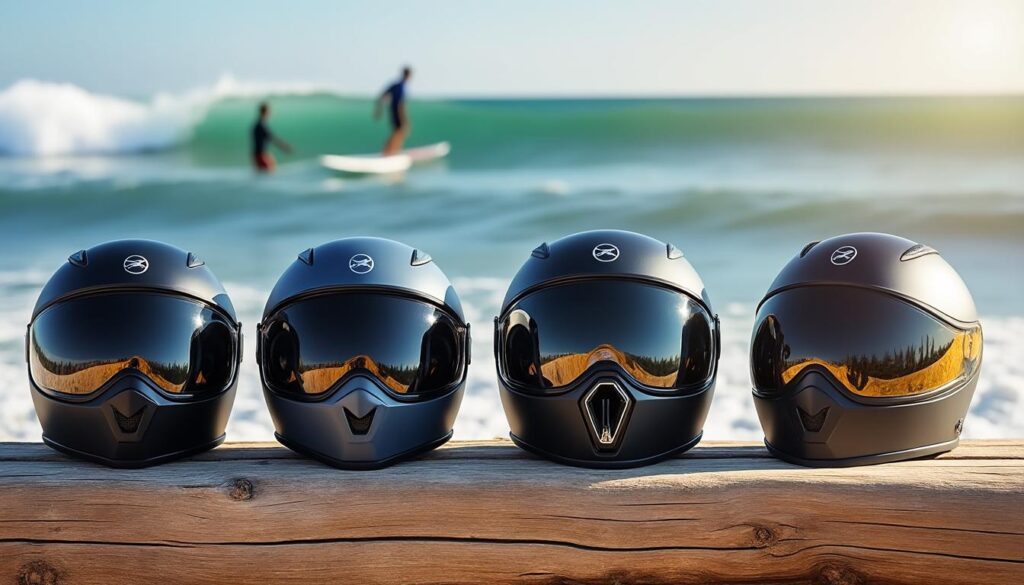
- Absolute beginner: look for helmet, impact vest, helmet radio, and a safety boat always on the water.
- Intermediate: ask if they offer video coaching, maneuver analysis, sessions dedicated to tight upwind riding.
- Advanced: inquire about clinics with pro riders, specific foil or big air courses.
As a concrete case, think of Sara, who arrives from Milan with no base. In three weekends of structured kitesurf courses, with lessons split between the afternoon Ora and some soft morning sessions, she goes from zero to a controlled water start and first upwind edges on both sides. No unrealistic promises, just hours on the water, clear feedback and method. The difference is made by an environment that knows the wind and doesn’t need to “sell” miracles.
The summary is simple: on Lake Garda, a good kitesurf school won’t promise you “become pro in three days”; it will promise that every minute in the water will have meaning. And that’s exactly what you need if you want to build solid foundations before moving to other Italian or Mediterranean spots.
Learning kitesurf on Lake Garda: progression, common mistakes and practical tips
Those who choose Lake Garda to learn kitesurfing often arrive with a thousand doubts: “Isn’t it too complicated?”, “Do I need a lot of physical strength?”, “What if I’m afraid of deep water?”. The truth is that the lake, with its thermal wind and organized schools, is one of the most straightforward places to face these fears. The typical path goes from the first contact with the kite to independent edge control, passing through all the micro-victories that turn fear into control.
The first phase concerns kite control. It often starts on land, with moderate wind, learning to use the bar like a real rudder. The lake, with its wide space, allows working on clean trajectories without the chaos of marine shorebreak. Only after control is solid do you move to body drags in the water, always with a safety boat nearby. This sequence reduces the risk of initial injuries and gets you used to trusting the equipment.
The key moment is the water start. Here the choice of board also comes into play: many schools on Garda use generous twin tips, ideal to facilitate planning. Those wanting to dive deeper into the topic can look at trends in equipment, as explained in guides about the modern twintip, to understand why certain shapes help more in the early stages. A board that is too small or technical at this stage is only a mental and physical brake.
Typical beginner mistakes on Lake Garda are always the same: looking at the board instead of the riding direction, holding the bar too loaded, getting dragged downwind instead of accepting a few meters of controlled body drag. The good news is that, with regular thermal wind and immediate instructor feedback, these faults are corrected in a few sessions if the rider stays focused and doesn’t expect everything instantly.
To make your progression smoother, some concrete tips work very well:
- Arrive rested: the alarm for the Pelèr can be hard, but with sleep debt you’ll only make unnecessary mistakes.
- Accept deep water: on the lake you often won’t touch bottom; the more you get mentally used to it, the less you’ll tense up.
- Listen to the radio: if the school uses helmet radios, don’t mentally argue with the instructor — execute and review afterward.
- Don’t change kites every hour: better to learn to manage one well-chosen size than to jump between different sails.
- Alternate theory and practice: a few minutes on land to understand the wind saves dozens of mistakes in the water.
Many students who start on Garda then move to other Italian spots: Sardinia, Puglia, Lazio. The transition from lake to sea also helps to understand the cultural and historical side of the sport. Those who want to delve into the roots and meaning of kite beyond technique can read, for example, this in-depth piece on the meaning and history of kitesurfing. Understanding where this sport comes from also makes it more natural to respect the wind, spots and local communities.
In the end, learning kitesurf on Lake Garda is like entering a natural wind gym. It trains you to be consistent, to trust the thermal and to build a serious relationship with your board. Those who come out of this path are not only able to stand on the board: they are ready to read the weather, choose the right spot and plan intelligent sessions even in completely different contexts.
Organizing kitesurf holidays on Lake Garda: logistics, seasons and connections with other Italian spots
Thinking of Lake Garda only as a place to “try kite” is limiting. With its wind consistency and the offering of schools and services, this place is perfect for planning real kitesurf holidays, to fit around work, family and other commitments. The key is to combine seasons, budget and progression goals, without falling into the trap of meaningless snap trips.
The typical period runs from February/March to October. The central months, from May to September, offer the most reliable mix of Pelèr and Ora, with slightly warmer water and long days. In high season, however, traffic, mainstream tourism and a higher presence of boats and bathers come into play, especially on the lower lake. That’s why many intermediate riders prefer May-June or September: less crowd, same wind, more space to work on maneuvers.
From a logistical point of view, Garda is well served: nearby motorways, train stations within short distance, airports in Verona, Bergamo and Milan a few hours away. For those coming from the South or the islands, combining flight and rental car is often the simplest choice. Once there, many choose hotels or apartments close to the schools to reduce dead time between wake-up and water entry.
The smartest kitesurf holidays on the lake follow a simple logic: alternate “full kite” days with mixed days. For example: Pelèr in the morning, relaxation or land activities in the afternoon; or a soft Ora in the afternoon and a free morning to visit villages, do light trekking or simply rest your muscles. The body needs recovery, especially if you are building new technique and loading muscle groups you don’t use at the office.
Many riders combine Garda with other Italian spots in the same trip. A typical itinerary might be: a few days on the lake to consolidate technique and then move to the sea, for example in Sardinia or Puglia, to try different waves and marine wind. There are practical guides to organize stops like kitesurf spots in Sardinia or Salento kitesurf itineraries, useful to design a route that touches kitesurf Ionio, kitesurf Adriatico and Lake Garda within the same weeks.
One tip to keep in mind: don’t fill every holiday day with two forced sessions. Better to aim for quality and focus: one mad session with Pelèr and a series of well-worked maneuvers are worth more than three chaotic, tired outings. Lake Garda won’t run away, the wind will return, and true progression starts when you stop chasing quantity and begin to refine each edge.
In the end, planning your kite holidays here means consciously choosing an environment where the wind is a partner, not an occasional guest. If you build your calendar around the rhythms of Pelèr and Ora, the lake gives you something simple and concrete: hours of true glide, which turn into confidence, technique and the desire to continue exploring all of kitesurf Italy.
When is the best period to kitesurf on Lake Garda?
Generally the useful season runs from February/March to October, with maximum wind consistency between May and September. In the central months you get a strong Pelèr in the morning and a softer Ora in the afternoon. Those who prefer fewer crowds often choose May, June or September, when the balance between wind, temperature and traffic is particularly favorable.
Is Lake Garda suitable for beginner kitesurfing?
Yes, provided you rely on a structured kitesurf school. Many spots use boats to take students to open water and clean wind, with helmets, vests and radio support. Not all spots are suitable for beginners, so it’s essential to follow local centers’ advice and respect areas that are forbidden or reserved for advanced riders.
What equipment is needed for a first kite holiday at Garda?
If you are a beginner, the school often provides everything: sail, board, harness, helmet, vest. You can bring only a wetsuit if you own one suitable for the season. For intermediate and advanced levels it’s advisable to have at least two kite sizes to cover the stronger Pelèr and the lighter Ora, a versatile twin tip and, if interested, a foil setup for the lighter days.
Do you need a lot of physical strength to learn kitesurf on the lake?
Less than you think. The kite works through the harness, not the arms, and with proper adjustment anyone in reasonable health can learn. On Lake Garda the regular thermal wind allows you to choose suitable times and intensities, thus avoiding being overwhelmed by unnecessarily strong gusts during the first lessons.
How do I choose the right kitesurf school on Lake Garda?
Check that it is recognized, has a safety boat, helmets and vests for everyone, instructors with demonstrable experience and that it respects wind limits for beginners. Ask how they handle Pelèr and Ora, whether they use radios for teaching and whether they offer clear pathways for different levels, from the first body drag to controlled jumps.