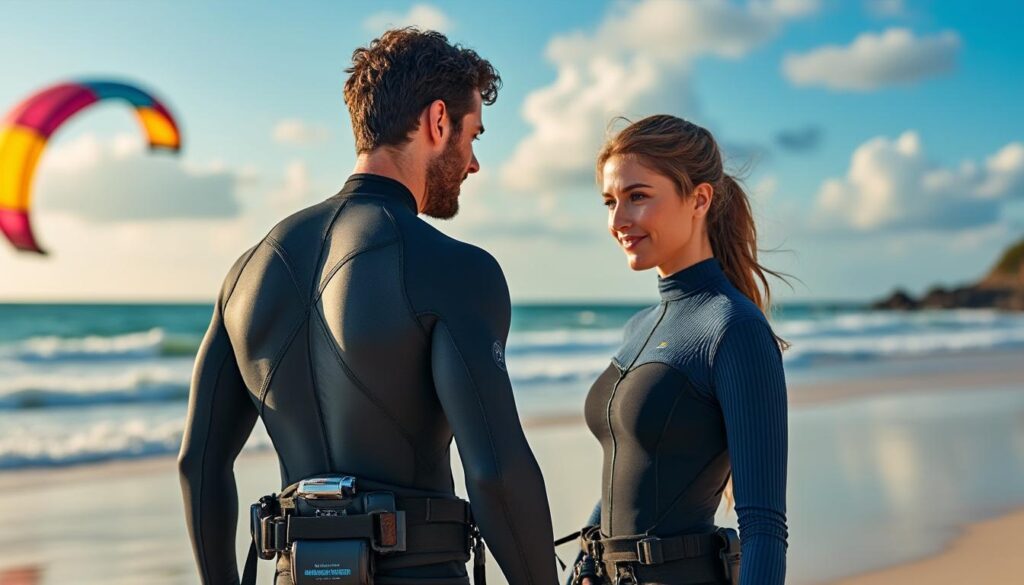
The wind comes in tight, the board slides and the whole body works together with the kite. In those seconds the difference between an enjoyed session and a fought one often comes down to three key elements: harness, wetsuit and accessories. Mystic, born from the core culture of kitesurfing, has built its reputation precisely on these details that change how you feel the pull, the cold, the impacts. Whether you’re preparing the first kitesurf course for beginners at a local school or a strong-wind mission on the kitesurf Adriatic, the equipment decides how hard you can push and how much fun you really have.
Those entering the world of kitesurf Italy almost always look first at kites and boards, perhaps comparing models and reviews like those on North or Duotone kites. But those who live kite every day know that a rigid harness that supports you, a wetsuit that doesn’t fill with water and rider-designed accessories are the backbone of the session. This applies to the best kitesurf spots in Italy, but also when you move between kitesurf Ionian and kitesurf Salento, or when you plan real kitesurf vacations out of season, with cold water and serious wind. Mystic works precisely on this: reduce the unexpected, increase control, let you focus on maneuvers, jumps and clean lines on the water.
- Mystic Harnesses: designed to support the back, better transfer the kite’s power and reduce energy consumption.
- Mystic Wetsuits: different cuts and thicknesses for year-round riders, from winter Maestrale to light summer thermals.
- Mystic Accessories: impact vests, gloves, ponchos, leashes and small smart solutions that change life at windy spots.
- Rider approach: design developed from real needs in the water, not from a catalogue written in an office.
Mystic Kitesurf: why the harness is the heart of your setup
In kitesurfing the harness is the hinge between your body and the kite’s power. Mystic understood this early and invested years perfecting shapes, materials and closure systems. When talking about kitesurf Lecce or windy spots on kitesurf Taranto, where the Salento wind can blow strong and gusty, having a harness that doesn’t rotate, doesn’t mark your ribs and distributes the force well means two things: more safety and longer sessions. Mystic models designed for kite focus on semi-rigid or rigid shells, stable hook bars and padding that follows anatomy, not the other way around.
Imagine Luca, an intermediate rider moving from the first safe reaches to jumps. With a soft harness, too wide and with a rising bar, he finds himself pulling with his arms after few reaches, back on fire and needless fatigue. With a Mystic harness from the rigid line, the kite’s thrust unloads evenly onto the lumbar band. The arms free up, the bar becomes light, the body assumes a more natural position. The jump no longer depends on “squeezing” the harness, but on technique: edging, loading, pop. In other words, the harness stops being a limit and becomes an ally.
For those who want to learn kitesurfing, this detail is even more crucial. Many kitesurf schools use generic harnesses, often worn, that rotate and create pressure points. The result? Tired students who think the kite is “too physical”, when actually the equipment is working poorly. A kitesurf course set up with well-adjusted Mystic harnesses allows you to focus on water starts, kite control and first rides without the constant distraction of hip pain. Those approaching kitesurf for beginners will discover soon: the difference between quitting after two lessons or continuing often lies in comfort.
A strong point of Mystic harnesses is the variety of shapes for different riding styles. Those who prefer relaxed freeride in flat spots, like the northern Italian lakes described in articles on kitesurf Lake Como or kitesurf Lake Maggiore, look for support without excessive rigidity, especially if they spend many hours planing. Those aiming for big air and explosive maneuvers, or who charge into the swells of the kitesurf Adriatic, prefer stiffer shells that lock torsion and keep the body stable during hard landings. Mystic offers both paths, with differences in weight, rigidity and inner panels.
The bar is also fundamental: Mystic hooks are designed to stay centered, reduce unwanted movement and allow quick release in an emergency. The wide surface distributes the load on the harness, while quick-release systems simplify donning and doffing, even with cold or wet hands. On windy beaches like those of kitesurf Salento, where putting on and taking off the harness can become a daily ritual between gusts, these details make the difference between a smooth launch and a struggle with straps.
Those who like to alternate disciplines, switching from kite to windsurf or wing, find in the Mystic range specific or hybrid harnesses with interchangeable hooks and bars. This way, there’s no need to own three different harnesses; just change the bar to adapt from one activity to another. On the Italian coasts, where in a single day you can move from kitesurf Ionian to windfoil on the opposite side, this versatility allows you to take advantage of every wind shift without too many compromises.
The key point to remember is simple: the harness is not a secondary accessory, it is the structural base of your Mystic setup. If you care about your body and progression, start right here.
How to choose the right Mystic harness for your level and spot
When it comes to choice, the first question is: what kind of rider do you want to be in the next two years? If the goal is technical progression, jumps and maneuvers, it makes sense to invest immediately in a more performing harness. Mystic recommends evaluating three parameters: shell rigidity, fit on your back and type of bar. A beginner who often attends a kitesurf school on slightly choppy sea will do well with a mid-rigid model, structured enough to support but still comfortable for learning.
Those who mainly sail in strong winds, perhaps alternating Italian spots with intense trips to places like Dakhla or Essaouira, described in dedicated articles on kitesurf in Morocco, will find in rigid Mystic harnesses the key to managing hours of pull and big jumps. In these contexts lumbar support and lateral containment prevent microtraumas and excessive fatigue.
Another often underestimated criterion is size. Mystic works on precise fits: a harness that’s too large and rotates or too small and digs into the hip ruins the session. For this reason it’s useful to compare your measurements with the official charts and, if possible, try the model wearing the same wetsuit you’ll use in the water. A practical check? Hook the bar, pull as if you had the kite powered up and verify that the harness stays in place, without riding up onto the chest.
The last choice concerns the bar: a classic hook for freeride and jumps, or specific bars for wave, foil or hybrid disciplines. Mystic offers options with sliders for those who prefer a more mobile pulling point in the waves, improving body position on the surfboard and reducing stress on the hips. On long waves, like on certain days on the kitesurf Ionian, this solution allows you to surf more naturally and with less unnecessary tension.
In short, choosing the right Mystic harness means listening to your back, understanding your water goals and not being fooled only by color or graphics. Your body will thank you, and sessions will become cleaner and more productive.
Mystic wetsuits for kitesurfing: stay warm, light and free to move
Moving on to wetsuits, those who ride year-round in Italy know well the value of properly made neoprene. In the cold months, between Maestrale and Tramontana on kitesurf Salento, the water can sting even if the sun deceives. Mystic has developed a range of kitesurf wetsuits that combine ultra-stretch neoprene, internal thermal panels and sealed seams to minimize water ingress. The result is simple: more time in the sea, fewer chills, more focus on technique.
A classic mistake of those approaching kite is underestimating the wetsuit. People think “a 3/2 is enough”, then two hours in the water with north wind arrive and fingers go numb after 20 minutes. Mystic works on wetsuits differentiated by season, with thicknesses ranging from light summer ones to 5/4 with thermal lining for winter. In contexts like kitesurf Lecce, where many riders embrace the idea of staying in the water from March to November, a well-designed mid-weight wetsuit allows you to cover much of the year without suffering the shoulder seasons too much.
For those who want to learn kitesurf out of season, perhaps taking advantage of less crowded spots and more stable wind, the Mystic wetsuit becomes almost a second skin. The elasticity of modern neoprene allows wide movements for body drag, kite relaunches and water starts without the “rigid armor” effect of cheap models. Front or back zips, designed not to conflict with the harness, avoid chafing points on the chest and back, improving freedom of movement.
Another practical aspect concerns weight: a wetsuit that soaks up water becomes heavier and cools the body with every fall. Mystic inserts quick-dry panels and drainage systems in strategic points, reducing the sensation of cold water running over the skin. On windy days on the kitesurf Adriatic, where the wind dries you in seconds after each fall, having a wetsuit that doesn’t stay wet for long is fundamental to avoid shivering between runs.
Fit is also thought in a kite-friendly way: shoulder cut optimized for bar movement, knees and ankles reinforced to withstand contact with the board and straps. Mystic knows that kitesurf Italy practitioners often drag the board on sand, climb rocks, move between beach and water with the wetsuit on. For this reason they reinforce the most exposed areas so the investment lasts more than a single season.
For those dreaming of kitesurf vacations in cold spots, like alpine lakes or northern trips, Mystic winter wetsuits are a solid ally: integrated or separate hoods, seals at wrists and ankles, internal linings that retain heat even after many falls. In the stories of riders alternating Salento and northern lakes you often read the same thing: with a good Mystic wetsuit, the difference between “impossible to enter” and “epic session” lies in two millimeters of well-designed neoprene.
The message is clear: the wetsuit isn’t just a “water outfit”, it is the element that decides how much cold conditions your mind. The warmer you stay, the more you think about what you do with the kite, not the shivers.
How to match Mystic wetsuits, seasons and kitesurf spots in Italy
To choose the right wetsuit you need to cross three parameters: water temperature, wind intensity and the average duration of your sessions. In Puglia, for example, those practicing kitesurf Puglia between spring and autumn can often manage with a well-made 4/3, especially on the Ionian side when the water keeps a few extra degrees. Mystic offers variants with internal lining only on the torso for those who don’t feel the cold much, and warmer versions for those who want to extend the season into winter months.
Those who often move between sea and lake, following the wind from the coast to inland basins, would do well to have two Mystic wetsuits: a lighter one for summer and mid-season, and a thicker one for cold water. This way you don’t give up kitesurf Italy sessions just because the thermometer drops. Remember that a good wetsuit setup is like a small “thermal quiver”: it allows you to adapt to different conditions without risking freezing or cooking under the sun.
Many intermediate riders, who are perhaps moving to foil or experimenting with alternative disciplines – as described in content on wing foil vs kitesurf – discover that with a well-chosen Mystic wetsuit they can stay in the water longer even when they fall often. This accelerates learning because you are not forced out after half an hour of attempts due to the cold. Again, the key is finding the right compromise between thickness, mobility and robustness.
A practical tip for those building their Mystic wardrobe: think about your next two seasons, not just next week. If you know you want to push more on the kitesurf Ionian or plan a winter of training on windy spots, then it’s worth opting for a high-end wetsuit, with extended thermal lining and front zip anti-infiltration. The initial cost spreads out over many more sessions you would have otherwise skipped.
The idea to fix is this: the right wetsuit opens the season for you, it doesn’t close it.
Mystic accessories for kitesurfing: impact vests, gloves, ponchos and details that save the session
Beyond harnesses and wetsuits, Mystic has built a true culture of kitesurf accessories. Impact vests, gloves, hoods, boardbags, ponchos in microfiber, leashes: small elements that, put together, define the quality of your beach days. Many riders think of accessories only later, when they notice frozen hands, aching ribs or a kite damaged in the car trunk. Mystic flips the approach: it designs accessories as a natural extension of the harness and wetsuit, to cover all weak points of a real session.
Take the impact vests. They are not lifejackets, but additional protective layers that absorb blows to the chest and ribs, very common when trying to close first kiteloops or when landings in boots go wrong. Mystic designs impact vests specific to kite, with cuts that do not interfere with the harness and flotation panels distributed without creating unnecessary volume. For those who frequent chop and strong wind spots, or who want to raise the bar on jumps, this accessory increases safety and confidence, especially in the early phases of progression.
Gloves and hoods come into play when you decide not to stop at the arrival of autumn. On the coasts of kitesurf Salento, which in the low season offer regular Maestrale days, Mystic offers neoprene gloves with reinforced grip and cuts designed not to lose sensitivity on the bar. The same goes for hoods: they protect from wind and cold water without slipping or filling with air, improving overall comfort without compromising hearing or wave perception.
There are also more “land” but fundamental accessories: Mystic ponchos in absorbent materials allow quick changing on the beach, even when it’s cold or windy, avoiding those acrobatic scenes with a towel that slips. Padded boardbags protect boards and foils during car or plane transfers, a crucial detail for those planning kitesurf vacations and wanting to avoid nasty surprises on arrival.
Another interesting point is aesthetic coherence. Mystic has built a recognizable style, with colors and graphics that dialogue between harness, wetsuit and accessories, but without sacrificing functionality. For many riders this visual harmony increases the pleasure of preparing the session: everything in its place, everything designed to go together. Those who live kite as part of their lifestyle appreciate this care, from the winter hat to the waterproof duffel for transporting the wet wetsuit.
The lesson is clear: Mystic accessories are not gadgets, they are tools to reduce friction between you and the wind. When every detail is cared for, the mind can stay focused only on the glide.
Mystic accessories and progression: how to use them according to your path
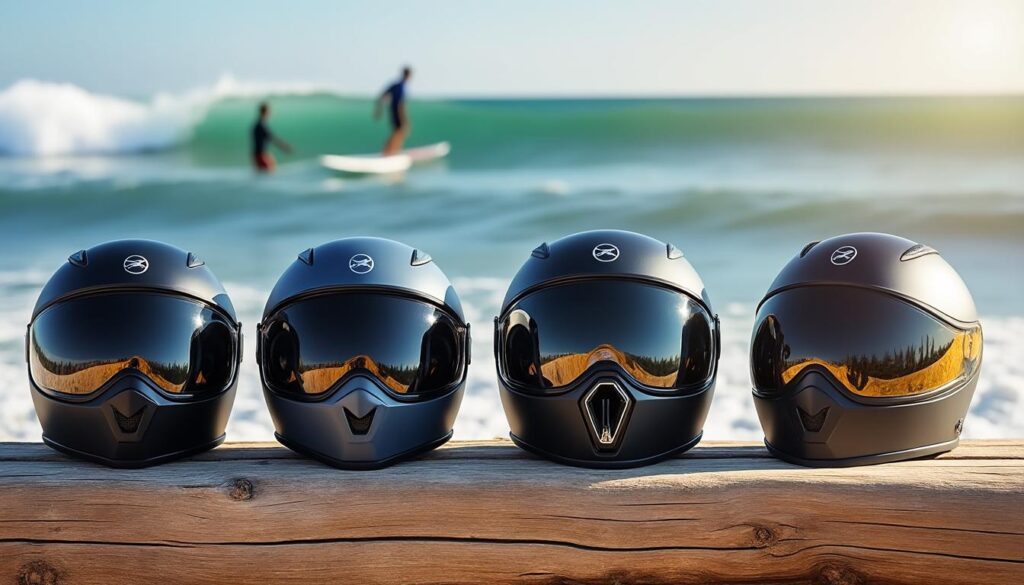
For a beginner taking a kitesurf course, the most useful Mystic accessories are those linked to safety and comfort: soft impact vests, well-ventilated helmets and perhaps a poncho to avoid getting cold between lessons. Those in the kitesurf for beginners phase often tire faster and fall more; a protective vest and a well-chosen wetsuit help avoid turning every impact into a painful blow, keeping motivation high.
To deepen the subject of gradual learning, many riders find it useful to complement theory with dedicated online content, like practical guides on kitesurf for beginners, which explain how to set up the first outings and how to choose equipment with criteria. In this path, Mystic offers a coherent “ecosystem”: from the summer shorty to the winter glove, each accessory covers a real need, without frills.
When moving to an intermediate level, accessories become performance tools. Thinner impact vests for big air and a good protective vest help you face the first kiteloops with more calm. Mystic bars dedicated to harnesses, with sliders or hooks, modulate the kite’s response for wave or freeride. In parallel, many riders begin to think about kites and boards too, comparing the main brands through analyses and comparisons like those on North Kiteboarding kites and boards, to complete their setup.
Finally, for advanced riders experimenting with foil, wave surfing or long downwinds between kitesurf Ionian and kitesurf Adriatic, Mystic accessories become allies of endurance: booties to protect against rocky bottoms, ergonomic hoods for the cold, cut-resistant gloves to handle lines and equipment during quick spot changes. Those who spend many hours in the water know that these details are what allow you to exploit every wind window, from weak thermal to tight maestrale.
The underlying idea is simple: as you grow as a rider, grow your set of Mystic accessories with you, because each step forward requires greater protection, comfort and precision.
Mystic and the rest of your quiver: how to integrate harnesses, wetsuits and accessories with kites and boards
A well-thought Mystic setup does not live in isolation: it must dialogue with kites, boards, foil and the rest of the equipment. In a context like kitesurf Italy, where you move from wavy spots to flat lakes and windy channels, knowing how to correctly combine pieces is what allows you to really take advantage of every windy day. The harness, for example, should also be chosen based on the type of kite and the discipline: those who use more “aggressive” kites for big air or high-aspect freeride models, like some of the kites reviewed in articles about Duotone kitesurf or overviews on Ozone models, will benefit from a stiffer, more enveloping Mystic harness.
The wetsuit follows the same reasoning. If your program includes long foil sessions in marginal conditions, with light wind and many falls, then you need a Mystic neoprene that keeps you warm for a long time and does not overly limit leg movement. Those who love unhooked freestyle on flat water can opt for slightly thinner thicknesses to have more agility in bar passes and rotations. The ability to plan your thermal and functional quiver is what separates a rider who gets by from one who truly dominates their environment.
Accessories also dialogue with the rest of the setup. If you often move chasing the Salento wind between kitesurf Lecce and other areas of Puglia, padded Mystic boardbags with wheels become almost mandatory: they protect the board, organize kites, bars and accessories, and simplify spot changes. Leashes designed for kite and surfboard avoid incidents with tangled lines, while ponchos and waterproof bags help keep wet equipment separate from dry gear.
An often overlooked element is handling used gear. Those who want to optimize the budget can alternate second-hand kites and boards, following practical advice like the guides on how to choose used kitesurf gear, while keeping a good quality Mystic harness and wetsuit, which remain in direct contact with the body. This way you get an intelligent mix: save where wear is easier to control (kites and boards) and invest in what affects your back, joints and thermoregulation.
Another concrete scenario is progression towards hydrofoil. Guides on learning hydrofoil in kitesurf show how this discipline requires many falls at the beginning, at low speed but with repeated impacts. In this case, Mystic impact vests and robust but elastic wetsuits become fundamental. They work as shock absorbers and protections without turning you into a rigid block, allowing the body to adapt to new dynamics.
Integrating Mystic into your quiver, then, is not just a matter of brand, but a way of thinking about the session as a unique system. Each element, from harness to board, has a role; when everything is aligned, the result is smoother and safer riding on every kitesurf Italy spot.
| Mystic Element | Main objective | Ideal for | Typical conditions |
|---|---|---|---|
| Rigid harness | Maximum lumbar support and kite control | Intermediate/advanced riders, big air, windy spots | Strong Maestrale, kitesurf Adriatic, strong-wind trips |
| Mid-rigid harness | Balance comfort/support | Progressing beginners, freeride | Medium-windy spots, kitesurf Salento in spring |
| 5/4 wetsuit with thermal lining | Protection from cold water and strong wind | All-season riders, cold spots | Winter, alpine lakes, cold sea |
| Light 4/3 wetsuit | Good warmth with wide freedom of movement | Freeride, kitesurf school, three-season use | Spring/autumn in Puglia, Ionian and Adriatic |
| Impact vest | Absorb impacts and boost confidence | Beginners, freestyle, hydrofoil | Learning tricks, downwind, choppy spots |
The summary is this: the more you think of your Mystic equipment as a “system”, the more every session becomes targeted training, not just a simple ride on the sea.
Which Mystic harness is most suitable for kitesurfing for beginners?
For those starting kitesurfing it is advisable to choose a Mystic mid-rigid harness, that is, with intermediate rigidity. It offers good back support without being too stiff or technical. Combined with a course at a kitesurf school, it helps to better distribute the kite’s pull and reduce hip pain, allowing focus on water starts and kite control. It is important to choose the correct size and properly adjust the bar to prevent the harness from riding up on the chest.
What wetsuit thickness of Mystic is needed for kitesurfing in Puglia?
In Puglia, for those kitesurfing between spring and autumn, a good quality Mystic 4/3 wetsuit covers most conditions, both on the Ionian and Adriatic sides. In the colder months, or if you stay in the water for long periods with strong wind, a 5/4 with internal thermal lining is preferable. In summer, for light sessions or beginner courses, a shorty or a 3/2 may be sufficient, especially on thermal days with warmer water.
Is an impact vest Mystic really necessary for kitesurfing?
It is not mandatory, but it is strongly recommended in several situations. A Mystic impact vest protects ribs and chest from impacts during falls, slightly increases buoyancy and gives more confidence during early jumps, freestyle and hydrofoil. It is particularly useful for beginner kitesurfers, those learning in chop or waves, and those trying new maneuvers. It’s important to choose a model specific for kitesurfing that does not interfere with the harness.
How do I know if the size of the Mystic harness is correct?
The correct size of a Mystic harness is recognized by three signs: it fits well around the pelvis without gaps, it doesn’t ride up toward the chest when you pull the bar hard, and it doesn’t leave deep marks on the hips after the session. It is useful to measure your waist circumference and compare it with the brand’s official charts. If possible, try the harness with the same wetsuit you will use in the water, hook the bar, simulate the kite’s pull and check that the harness stays stable without rotating.
Can I use the same Mystic wetsuit for sea and lake?
Yes, many Mystic wetsuits are designed to work well both in the sea and in lakes. The choice depends mainly on water temperature and session duration, not on the type of spot. If you frequent both kitesurf Puglia and colder lakes, it can be useful to have two different thicknesses (for example a 4/3 and a 5/4), or a high-end wetsuit that guarantees good insulation and quick drying. In any case, the same model can follow you without problems between sea waves and flat lake water.